
Commercial Glass Replacement vs Repair: Which is most cost-effective for facility managers?
For facilities managers, few building defects are as visible or as potentially disruptive, as damaged commercial glazing.
A cracked pane, a misted double-glazed unit, or a leaking curtain wall system can quickly become more than just an aesthetic issue. If left unresolved, glazing defects can lead to safety risks, energy inefficiency, tenant complaints, and unplanned maintenance costs.
When a problem arises, the first question is usually straightforward:
Should the glass be repaired or replaced?
The answer isn't always obvious. While repairs can offer short-term savings, replacement may deliver better value over the lifespan of the building. Understanding the difference can help facilities managers make informed decisions that balance budget, compliance and long-term asset performance.
Typical Commercial Glazing Repair Scenarios
Not every glazing issue requires full replacement. In many cases, targeted repairs can restore performance and extend the life of the existing system.
Common repairable issues include:
Failed gaskets and weather seals
Minor water ingress around glazing systems
Loose glazing beads or fixings
Damaged silicone sealants
When identified early, these defects can often be addressed without removing the glass itself, helping to minimise costs and disruption to building occupants.
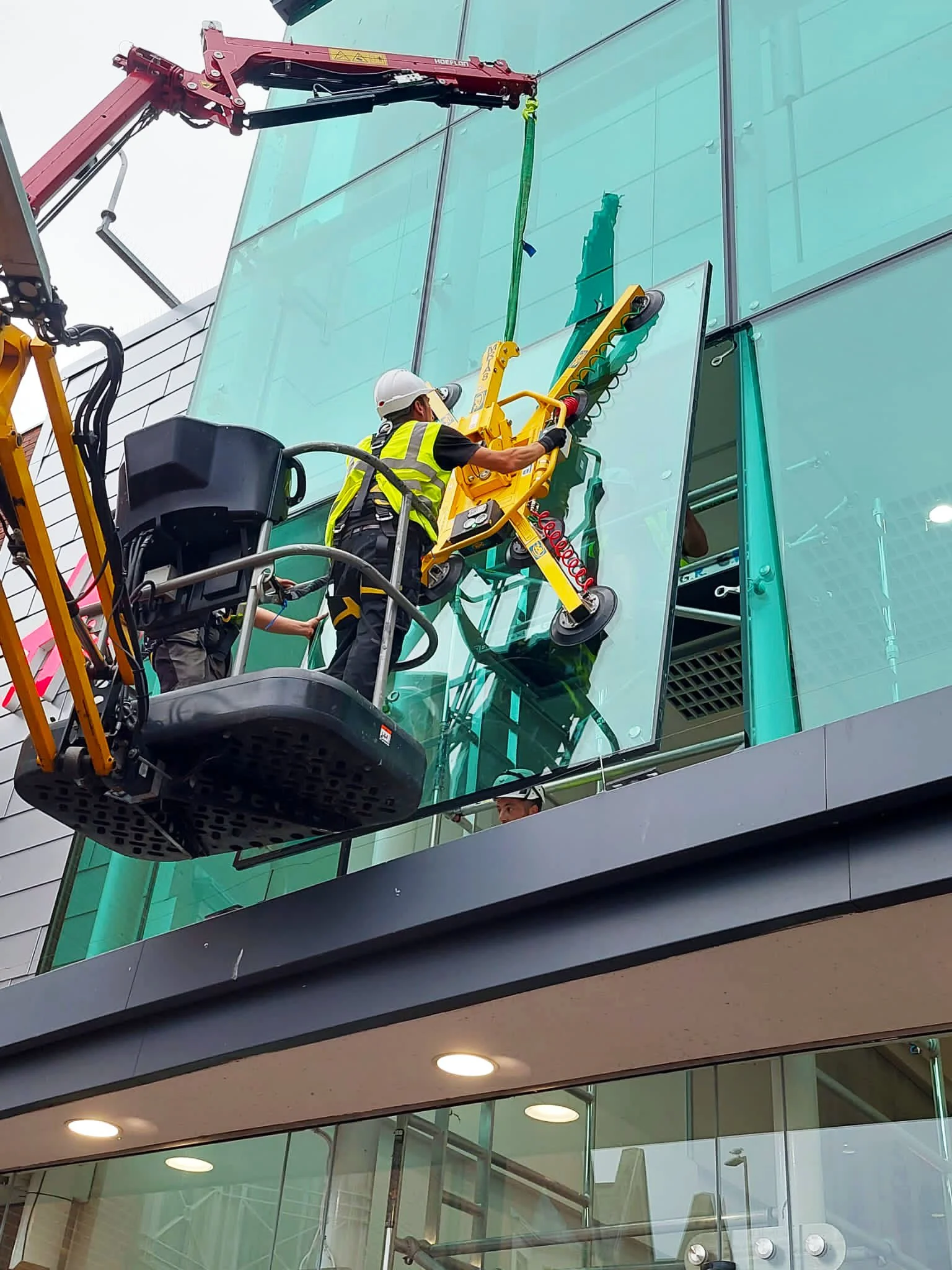
For facilities managers responsible for large estates, routine inspections are essential. Catching small issues before they develop into major failures can significantly reduce maintenance expenditure over time.
When Glass Replacement Becomes Unavoidable
While repairs are often the preferred option, there are situations where replacement is the only practical solution.
Commercial glass replacement is typically required when:
The Glass Is Cracked or Broken
Even minor cracks can compromise the structural integrity of the glazing unit. In busy commercial environments, damaged glass presents a potential safety hazard and should be assessed immediately.
Double-Glazed Units Have Failed
If condensation or misting appears between panes, the sealed unit has failed. Once moisture enters the cavity, repairs are rarely effective and replacement is usually required to restore thermal performance.Safety Standards Are No Longer Met
Older glazing installations may not meet current safety requirements, particularly in high-traffic areas where toughened or laminated safety glass is expected.Repeated Repairs Are Becoming Common
If the same area requires ongoing attention, replacement may prove more cost-effective than repeated call-outs and temporary fixes.Looking Beyond the Immediate Cost
When budgets are under pressure, repairs often appear to be the most economical option.
However, facilities managers know that maintenance decisions should not be based solely on the initial invoice.
The real question is:
What will this issue cost the building over the next five to ten years?
A repair may solve the immediate problem, but if the underlying glazing issue continues to deteriorate, the building could face a range of additional costs that aren't always apparent at the outset.
These can include:
Repeated maintenance call-outs
Increased heating and cooling costs due to poor thermal performance
Water damage to internal finishes and building fabric
Tenant or occupant complaints
Operational disruption during emergency repairs
Compliance and Duty of Care Considerations
Facilities managers also have a responsibility to ensure that glazing systems remain safe and compliant throughout the building's lifecycle.Damaged or deteriorating glazing can raise concerns relating to:Occupant safetyPublic liability risksWorkplace health and safety obligationsBuilding maintenance standards
Particular attention should be paid to glazing in entrances, stairwells, and locations where impact is more likely.Where there is uncertainty regarding the condition of commercial glazing, a professional inspection can help identify risks before they become liabilities.Repair or Replace?
As a general rule:Repair is often the best option when:The issue is isolated and localisedThe glass itself remains structurally soundDefects are limited to seals, fixings, or associated componentsThe system continues to meet performance requirements
Replacement is often the better investment when:Glass units have failedSafety is compromisedDefects are recurringEnergy performance has declined significantlyLong-term maintenance costs are increasing
